
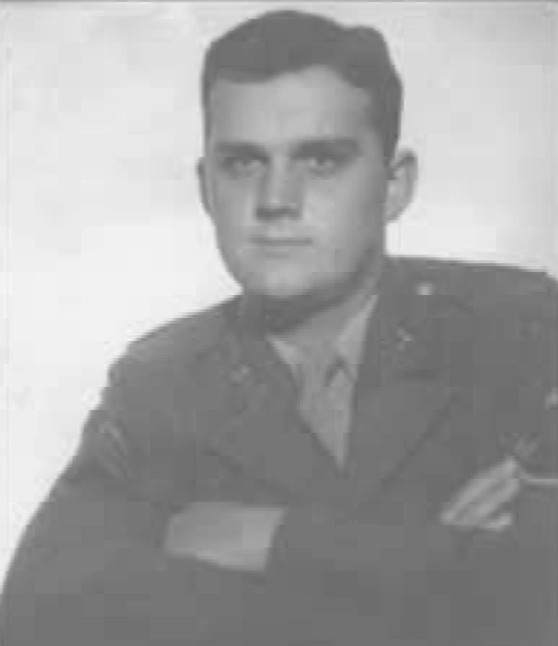
William S. Sitman
Sergeant First Class, U.S. Army
Company A, 23rd Infantry Regiment
2nd Infantry Division
Killed in Action — February 14, 1951
Near Chipyong-ni, Korea
Hometown: Bellwood, Pennsylvania
Age: 31
EARLY LIFE
William S. Sitman was born in Pennsylvania and served during World War II before returning to uniform when war again called in Korea. By 1951 he was a seasoned noncommissioned officer leading soldiers in one of the war’s most dangerous sectors.
THE BATTLE — FEBRUARY 1951
During the Battle of Chipyong-ni, Chinese forces launched overwhelming nighttime assaults against American defensive positions. The battle became one of the turning points of the Korean War, proving U.N. troops could hold against numerically superior enemy forces.
Enemy soldiers penetrated Sitman’s perimeter position.
With grenades landing among his men, Sgt. Sitman made an instantaneous decision.
He threw himself onto a live grenade.
The explosion killed him instantly but saved the soldiers around him.
For this act of conspicuous gallantry and self-sacrifice, he was posthumously awarded the Medal of Honor.
Medal of Honor Citation
Sfc. Sitman distinguished himself by conspicuous gallantry and intrepidity above and beyond the call of duty in action against an armed enemy of the United Nations. Sfc. Sitman, a machine-gun section leader of Company M, was attached to Company I, under attack by a numerically superior hostile force. During the encounter when an enemy grenade knocked out his machine gun, a squad from Company I immediately emplaced a light machine gun, and Sfc. Sitman and his men remained to provide security for the crew. In the ensuing action, the enemy lobbed a grenade into the position and Sfc. Sitman, fully aware of the odds against him, selflessly threw himself on it, absorbing the full force of the explosion with his body. Although mortally wounded in this fearless display of valor, his intrepid act saved five men from death or serious injury, and enabled them to continue inflicting withering fire on the ruthless foe throughout the attack. Sfc. Sitman’s noble self-sacrifice and consummate devotion to duty reflect lasting glory on himself and uphold the honored traditions of the military service.
February 1951 represented one of the harshest moments of the Korean War:
- freezing terrain
- night assaults
- close-quarters fighting
- small units holding critical ground
Sitman’s action symbolizes the bond between soldiers: one life given so others could live.
LEGACY
Some heroes charge forward.
Some stand fast.
And some make a decision in a single second that echoes across generations.
Sergeant First Class William S. Sitman
He shielded his men.
He held the line.
He gave everything.
Honor The Fallen. Support The Living. Teach The Next Generation.
Visit: mickyspano.com

Leave a Reply